

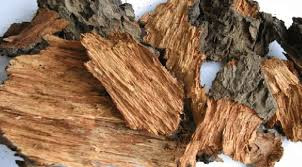
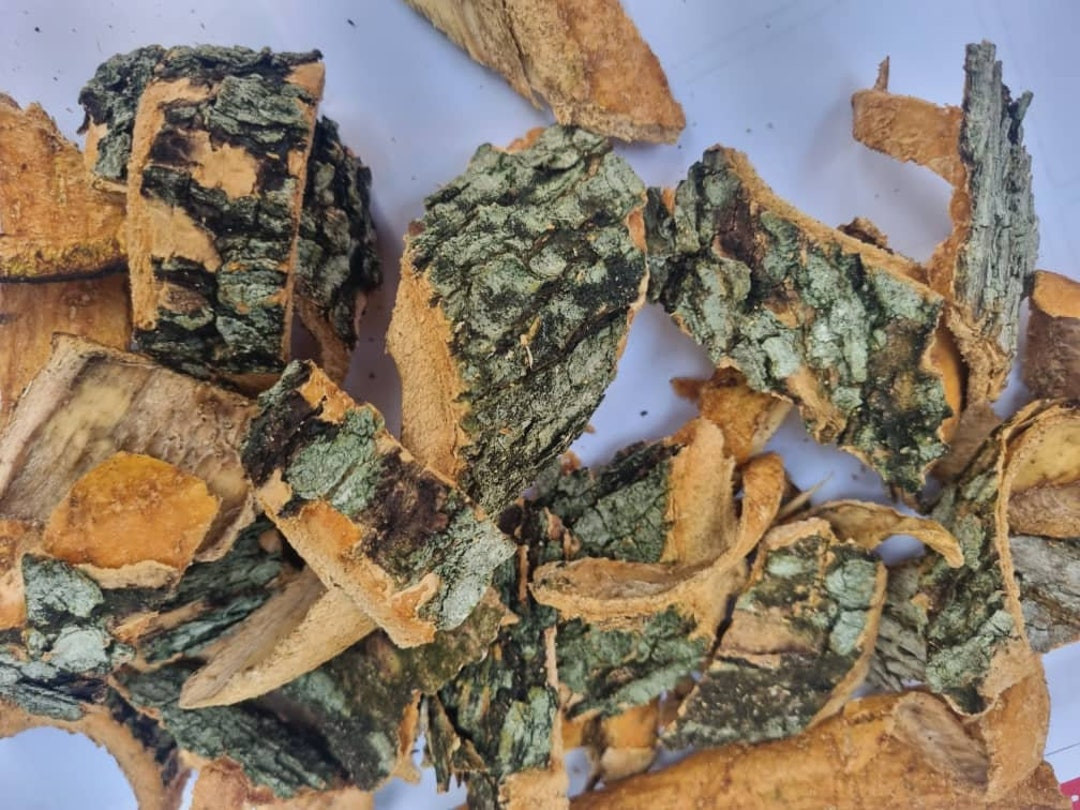
1kg of dried mango tree barks
-
 ₦10,000.00
₦12,000.00 -
₦19,000.00
₦20,000.00 -
₦13,800.00
₦15,000.00 -
₦10,000.00
₦12,000.00 -
₦13,500.00
₦15,000.00 -
₦9,000.00
₦10,000.00
Reviews & Ratings
Mango tree bark is highly valued in both traditional and modern medicine due to its rich concentration of bioactive compounds, particularly mangiferin (a glucosylxanthone) and various polyphenols. It is prized by the pharmaceutical industry for its potent antioxidant, anti-inflammatory, and antimicrobial properties.The key pharmaceutical and therapeutic applications of mango tree bark include:Anti-inflammatory & Pain Relief: Mango bark extract is utilized to manage inflammation and joint pain, and it shows promise in reducing discomfort associated with conditions like osteoarthritis and rheumatism.Gastrointestinal Health: The bark’s astringent properties are frequently used in herbal remedies to treat diarrhea, dysentery, and other digestive system complaints.Skin & Wound Care: It has strong antimicrobial effects against fungi and bacteria. Extracts are used in formulations for treating cutaneous infections, eczema, and scabies, and to help speed up wound healing.Metabolic & Diabetic Support: Pre-clinical studies suggest that extracts can aid in regulating blood sugar and improving insulin sensitivity, showing potential in supportive diabetes treatments.Antioxidant & Immune Support: Rich in polyphenols, the bark helps neutralize harmful free radicals in the body. Standardized bark extracts are researched and formulated as nutritional supplements to boost the immune system and protect against liver damage.Respiratory & Other Infections: In traditional practices, it is used to treat diphtheria, malaria, and even symptoms associated with syphilis.
Frequently Bought Products
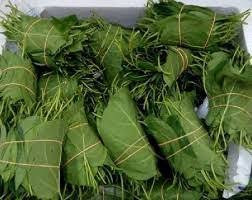
1kg of dried madumaro leaves
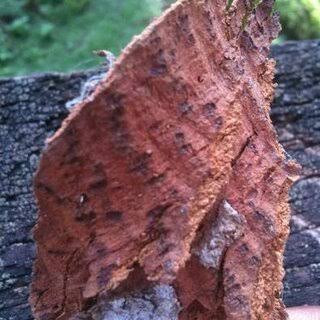
1kg of dried bridelia ferruginea stem bark
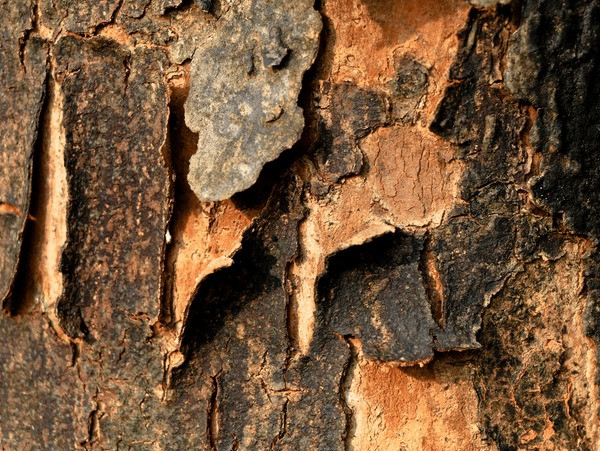
1kg of African tulip tree stem bark
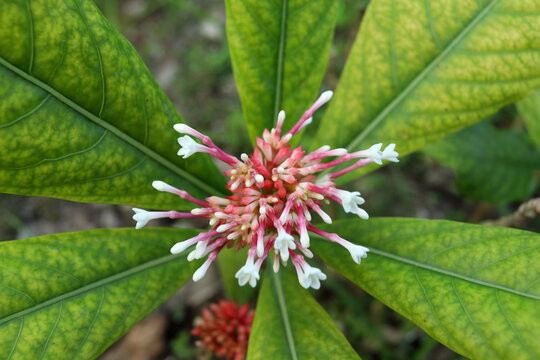
1kg of dried Nigerian serpent wood leaves
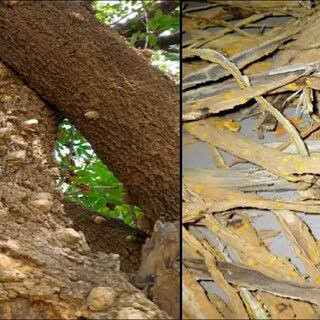
1kg of cleistopholis parents stem bark
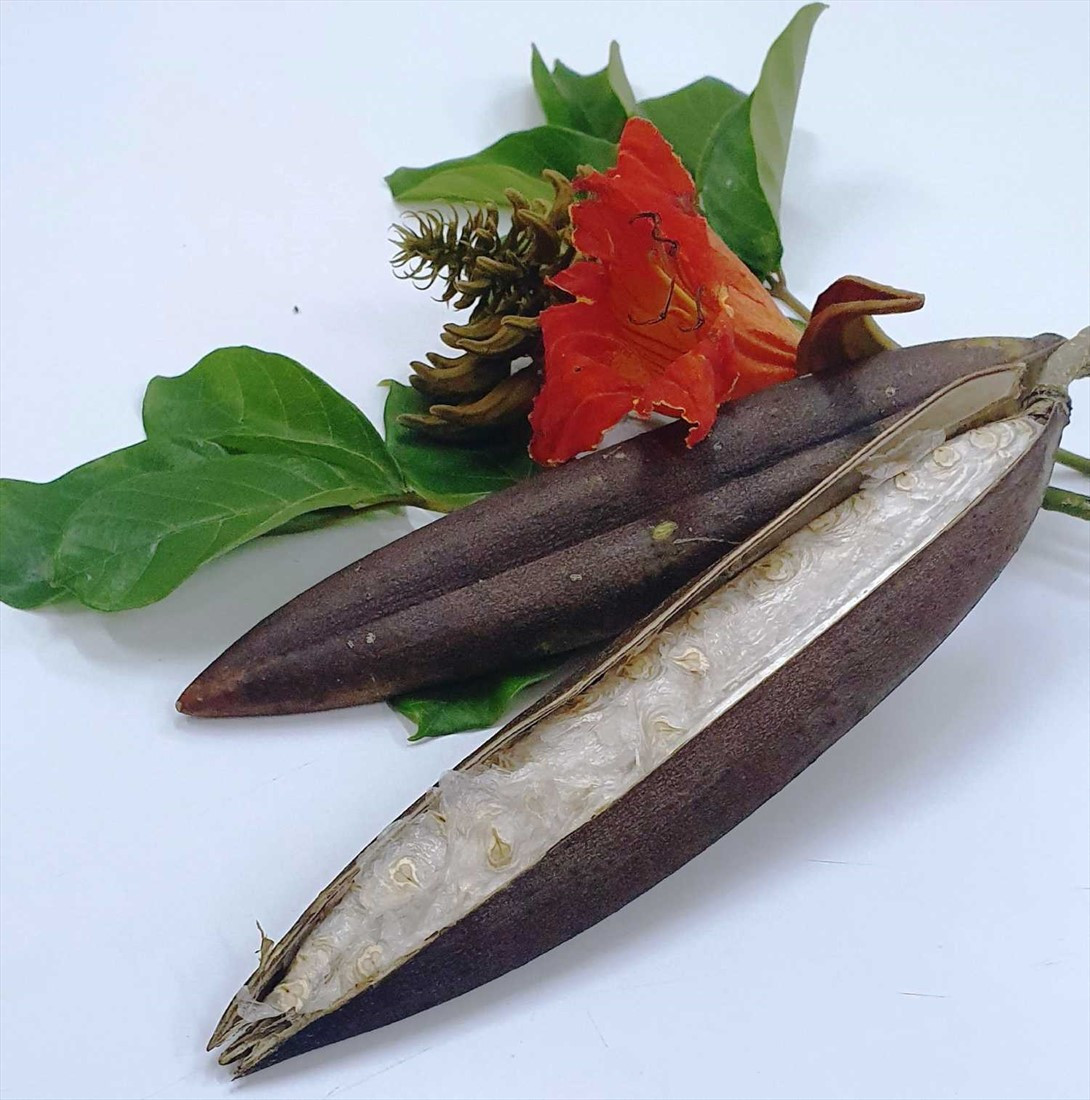
1kg of dried African tulip tree leaves
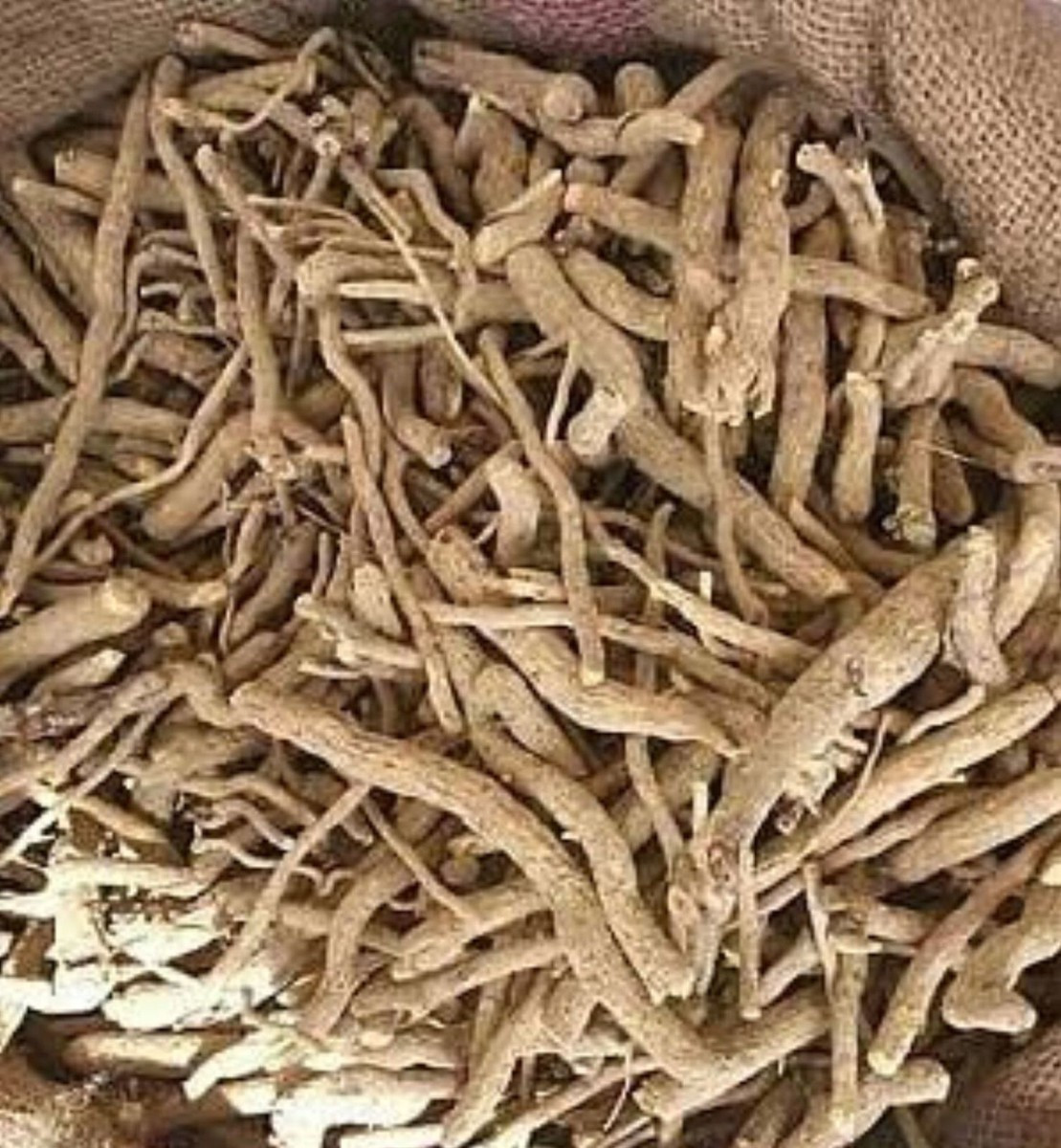
1kg of dried serpent wood roots
1kg of dried serpent wood roots
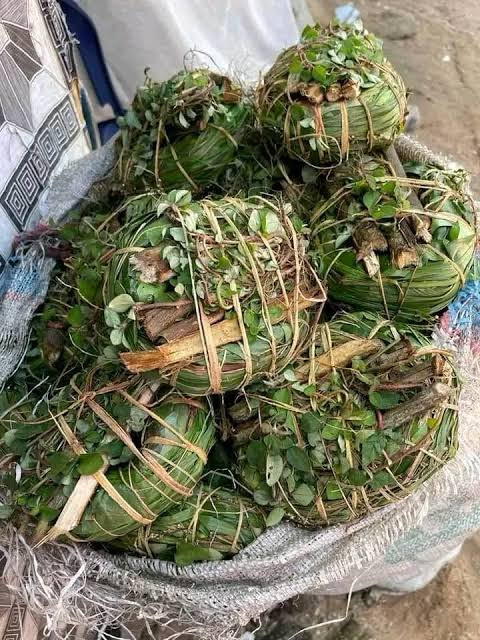
1kg of dried aju mbise leaves
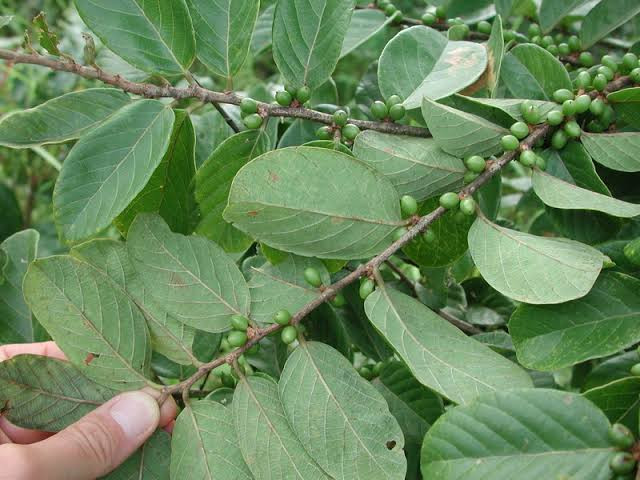
1kg of dried bridelia ferruginea leaves
-
₦10,000.00
₦12,000.00 -
₦19,000.00
₦20,000.00 -
₦13,800.00
₦15,000.00 -
₦10,000.00
₦12,000.00 -
₦13,500.00
₦15,000.00 -
₦9,000.00
₦10,000.00
Foodlistin.com