



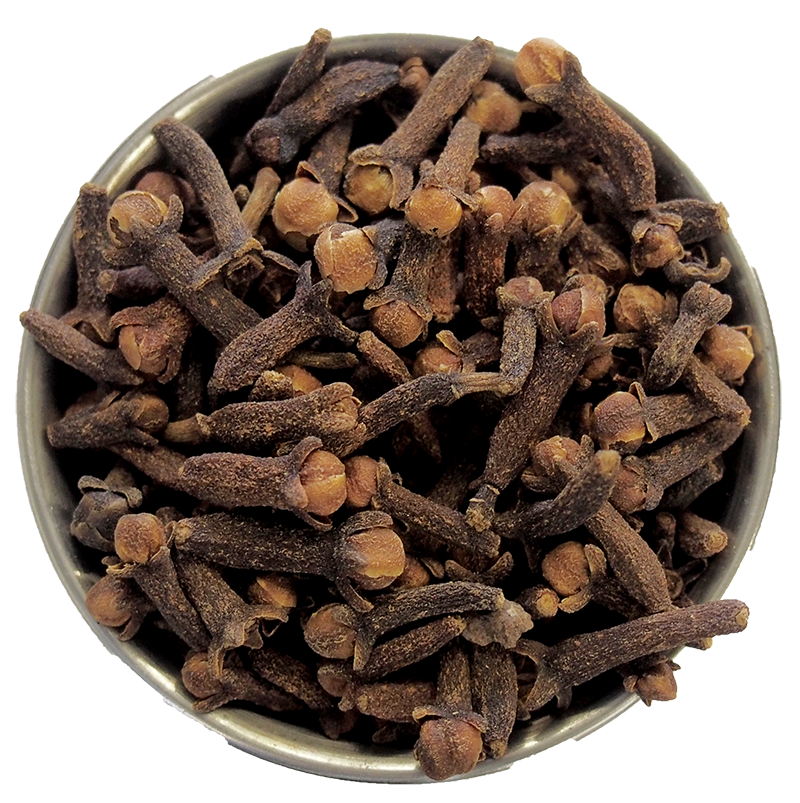
1kg of cloves
-
 ₦16,000.00
₦17,000.00 -
₦19,000.00
₦20,000.00 -
₦25,000.00
₦27,000.00 -
₦4,200.00
₦5,000.00 -
₦68,800.00
₦70,500.00 -
₦170,500.00
₦175,000.00

Reviews & Ratings
Cloves are dried, aromatic flower buds widely used in culinary, medicinal, and household applications due to their high eugenol content, which provides antimicrobial, anti-inflammatory, and antioxidant properties. Key uses include flavoring curries, teas, and baked goods; relieving toothaches and bad breath; improving digestion; and reducing inflammation.
Culinary Uses:
Flavoring Agent: Whole or ground, they are a staple in Indian curries, Chinese five-spice, gingerbread, and spice blends like pumpkin pie spice.
Beverages: Used in hot beverages, chai, mulled wines, and apple cider.
Meats & Sauces: Commonly added to marinades, pot roasts, stews, and Worcestershire sauce.
Medicinal and Health Uses:
Oral Health: Clove oil is a common natural remedy for toothaches, gum inflammation, and mouth infections. Chewing 1–2 cloves can freshen breath.
Digestive Health: Helps treat bloating, gas, and indigestion by stimulating digestive enzymes.
Anti-inflammatory: Contains eugenol, which may help manage arthritis and joint pain.
Immune System Boost: Acts as an antibacterial and antiviral agent, helping to fight infections.
Respiratory Support: Used as an expectorant to help relieve coughs and cold symptoms.
Household and Other Uses:
Insect Repellent: Whole cloves can be used as a natural, non-toxic deterrent for ants, moths, and other insects.
Aromatherapy/Cosmetics: The oil is used in perfumes, soaps, and candles for its spicy, warm aroma.
Preservative: Due to antimicrobial properties, it is used in some food preservation methods.
Frequently Bought Products
-
₦16,000.00
₦17,000.00 -
₦19,000.00
₦20,000.00 -
₦25,000.00
₦27,000.00 -
₦4,200.00
₦5,000.00 -
₦68,800.00
₦70,500.00 -
₦170,500.00
₦175,000.00
Foodlistin.com